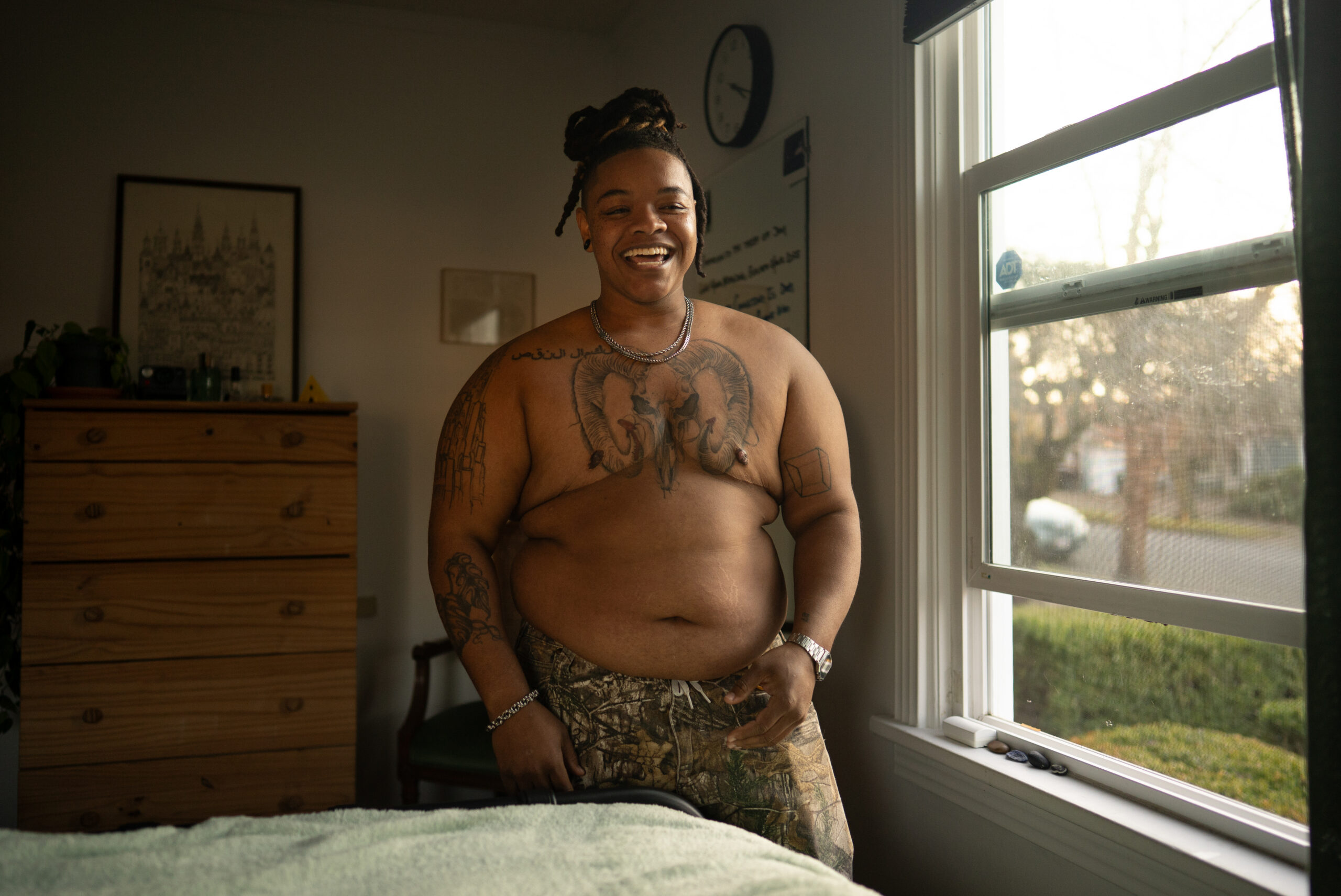
Meet A Butch: Haleena Necessary

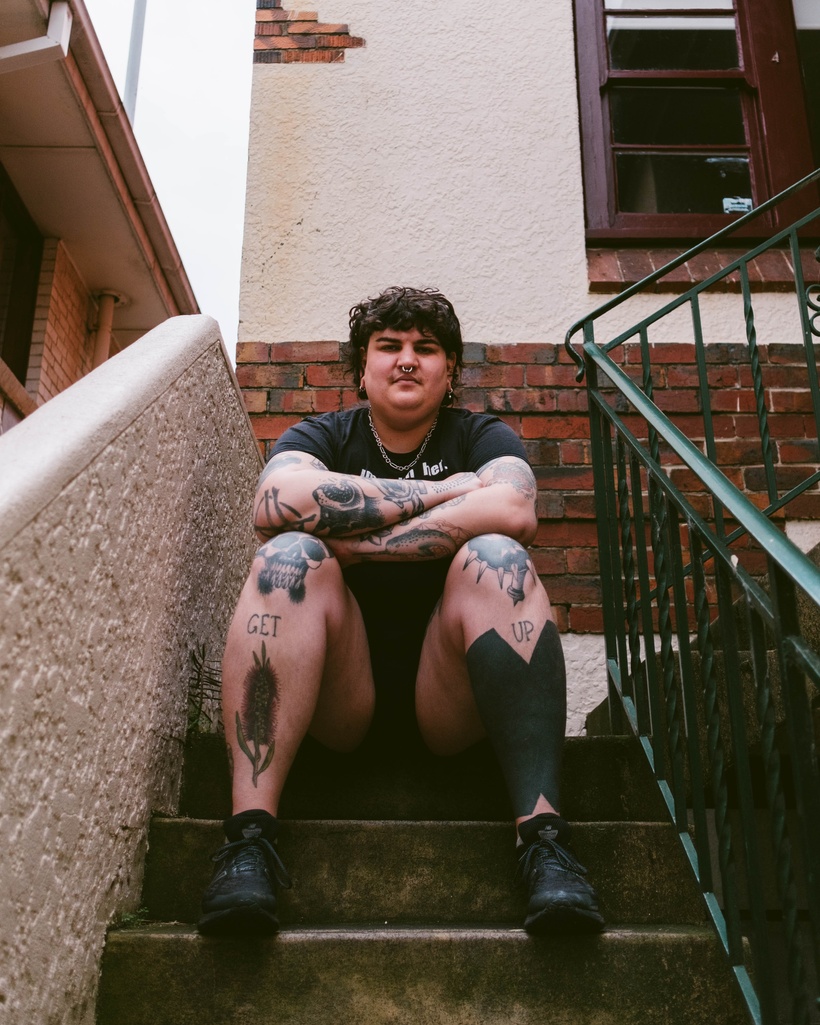
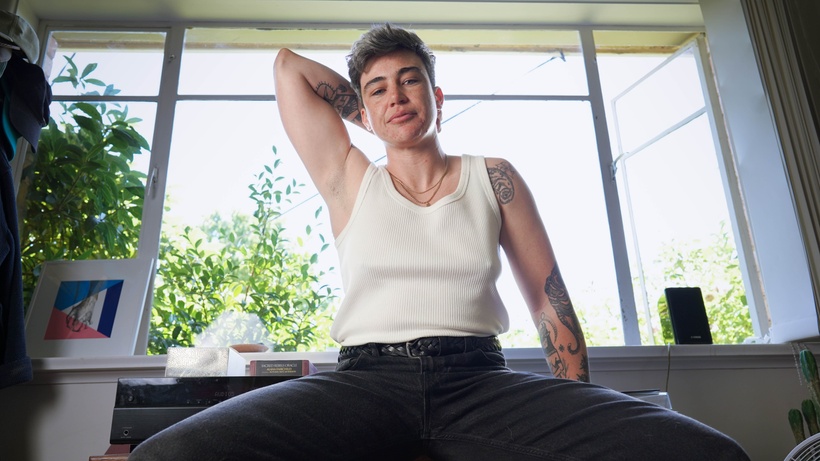
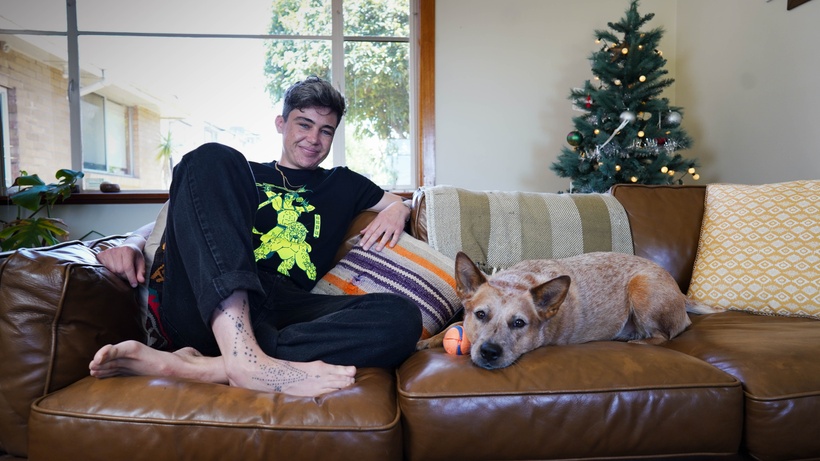
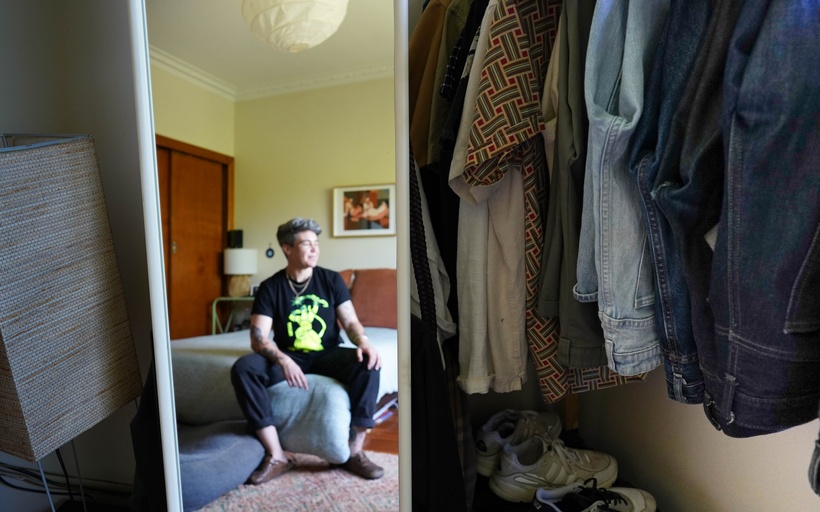
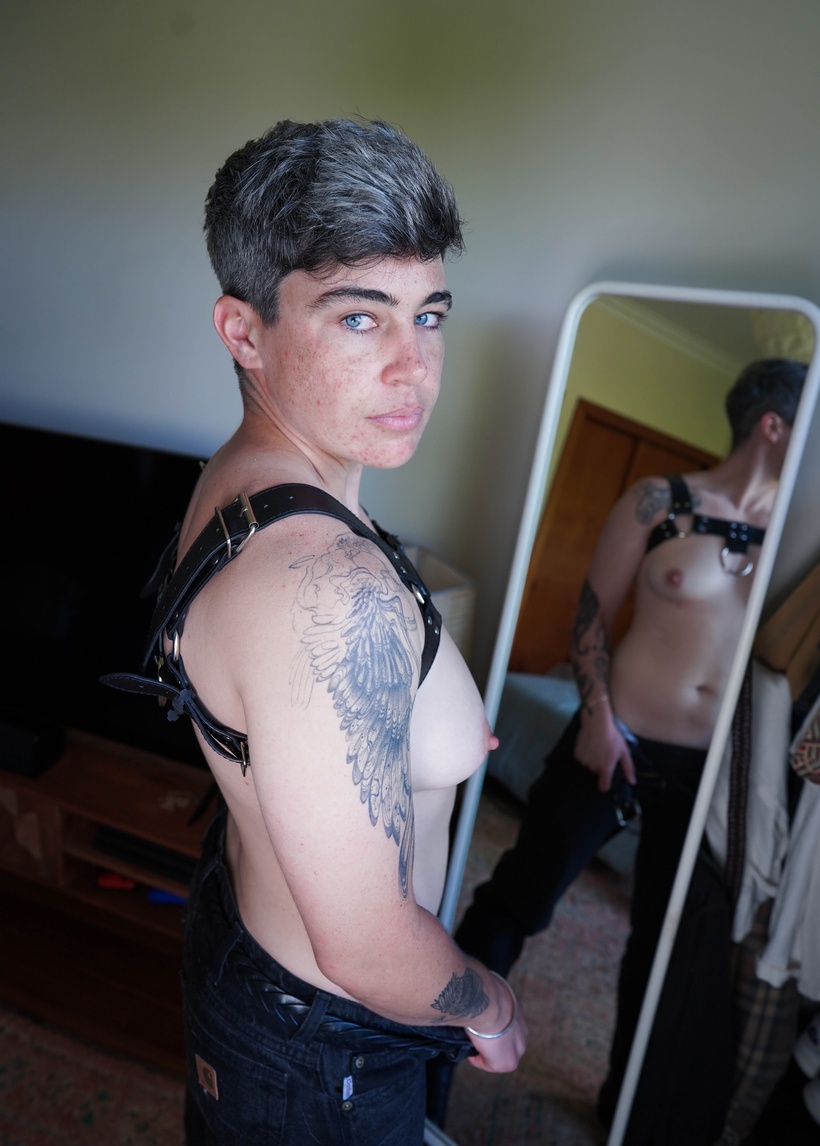
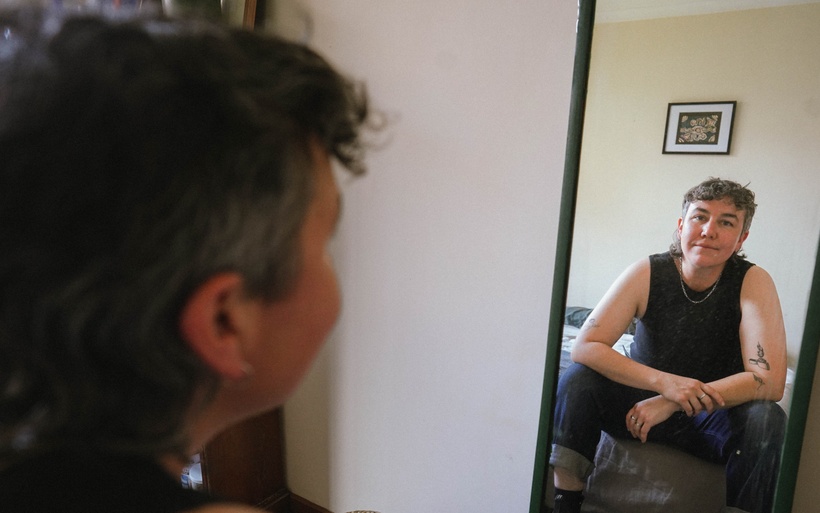
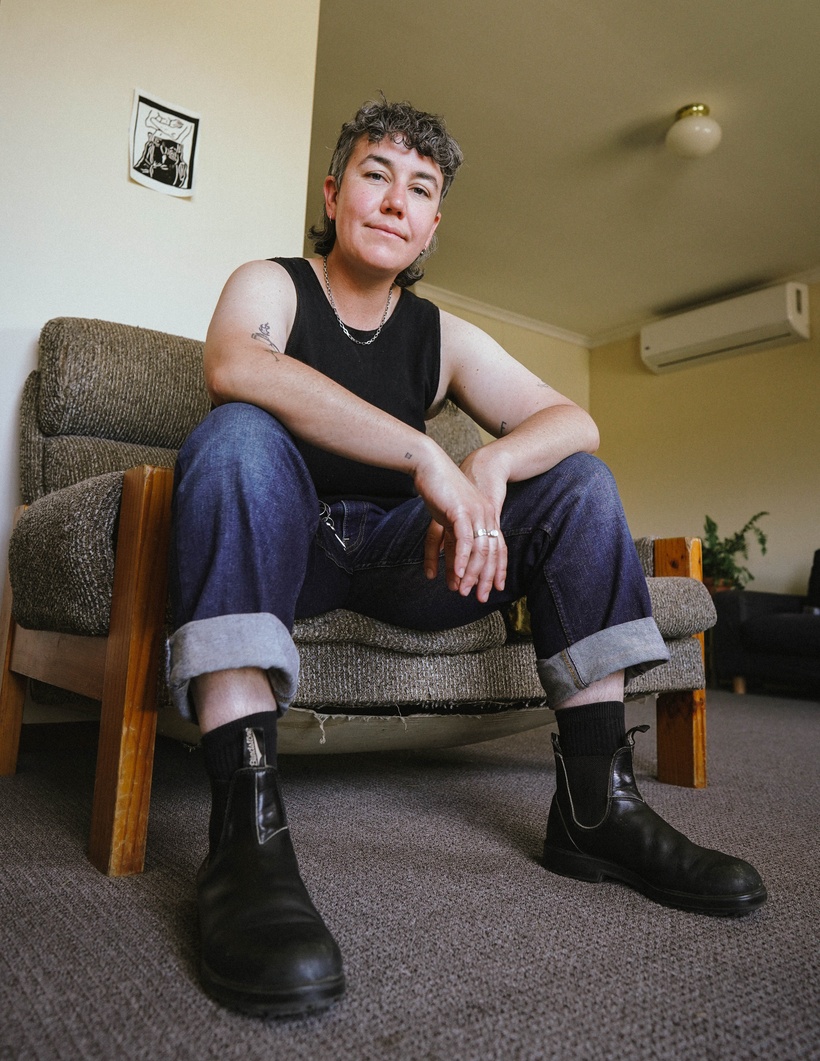
I was born and raised in Tacoma, Washington, and my family is from Denmark. I attended public school all my life and began calling myself (or perhaps first being called) a tomboy from about 1st grade. I am sure many people thought I would grow out of it, and there was a period of time in middle school where it was assumed to be behind me, but masculinity was fundamental inside me. It returned again in an epiphanic moment in 8th grade when I finally had the courage to call myself a lesbian, and return to the expression of masculinity I had so missed. This feeling never wavered. As my language and identity grew, my Butchness inherently grew alongside it. Since moving to Chicago and finishing graduate school, my confidence in calling myself a Butch—before anything else—has cemented. Now I work as a school psychologist and love being the Butch role model I never had growing up.

1. Can you recall the first time you heard the word ‘Butch’ ?

After coming out as a lesbian in junior high, I knew masculinity was a large part of my expression. Unfortunately, the history and warmth that the Butch identity has for me now, was no more than a misinterpretation of gender expression for young teenage Haleena. I’d been called a tomboy and a he-she from day one of 1st grade when I showed up to school with short hair and hand-me-downs from my older brothers, but Butch was never on the radar until junior high. It was new to me at that time, and it was scary.

The Butch Lesbians I had seen on TV and been told about were made out to be dirty, dangerous, male-wannabees by my peers and the adults around me.

“I’m not Butch,” I would think. “I’m just masc”

….Maybe people are less scared of that label…”

Unbeknownst to me, the Butch identity was so much more than a label, but in the world I inhabited, it was a word used to make masculine lesbians fearful of being too masculine for others. I hid from the word for a long time, but as I grew, and my understanding of queer history grew along with me, it began to rock back and forth in my mind.
2. How do you define Butchphobia?

Butchphobia, at best, is a misunderstanding and misattribution of our history and experiences, and at worst, the violence we face at the hands of oppressors who are fearful of our existence. I have experienced this range from a young age, whether it was the language used against me, or boys in my primary classes unzipping my clothes to see what they thought I was hiding under there. It developed from this to a grave misuse of my masculinity against me.

My refusal to press charges against my first girlfriend, even when offered the option, was in part due to a fear that people would never believe the masculine woman could ever be a victim of the feminine one. That was proven to me the first time I sought help.

This fear continued into my late teen and adult life, where I quickly gained a phobia of what I know as the “Predatory Lesbian Stereotype.” I don’t think I could describe a single locker room to you, as my eyes were and continue to be non-stop glued to the ground out of fear of making anyone have to think about my presence there for more than a second.

Butchphobia has built distrust in many people, some even within the queer community. It has been a heavy task to learn to live my life fully in spite of this.
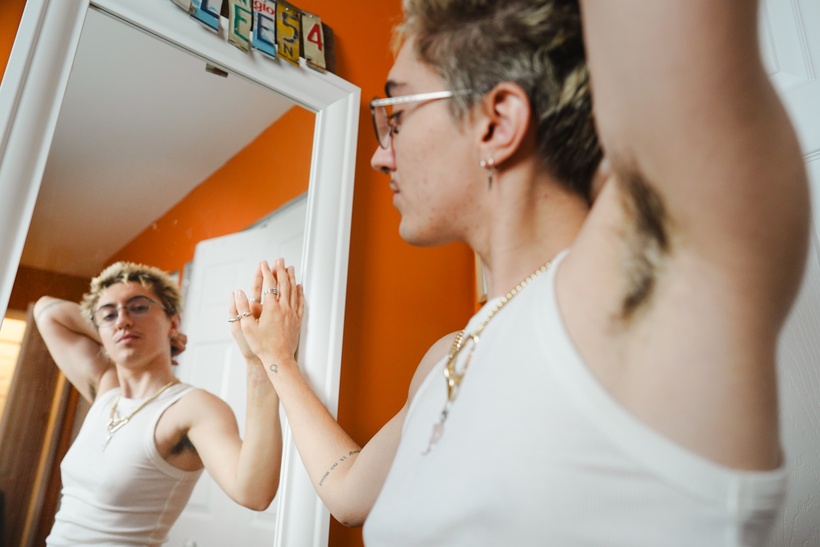
3. Is there something about your butch identity that you feel is often misunderstood?

I think in general the Butch identity is gravely misunderstood by almost everyone, even other queer people and lesbians. Butches don’t imitate masculinity, we improve upon it. We don’t seek to copy maleness, we redefine it.

This was what made me nervous about going on testosterone. I saw very few ways in which I could explain to people, especially non-butches, that this addition to my life was to build upon my Butch lesbian identity, to engage in self-creation, not to change to something new entirely.

I do not have an interest in mimicking heterosexuality. Quite the opposite, I seek to broaden what we know about queer and lesbian relationships by elevating the masculine and feminine and Butch-Femme dynamics that overlap.

Although I do wish more people understood this, I am still well aware of the world I live in. Understanding it myself so I can be most comfortable with who I am, regardless of others, is what is most important of all.
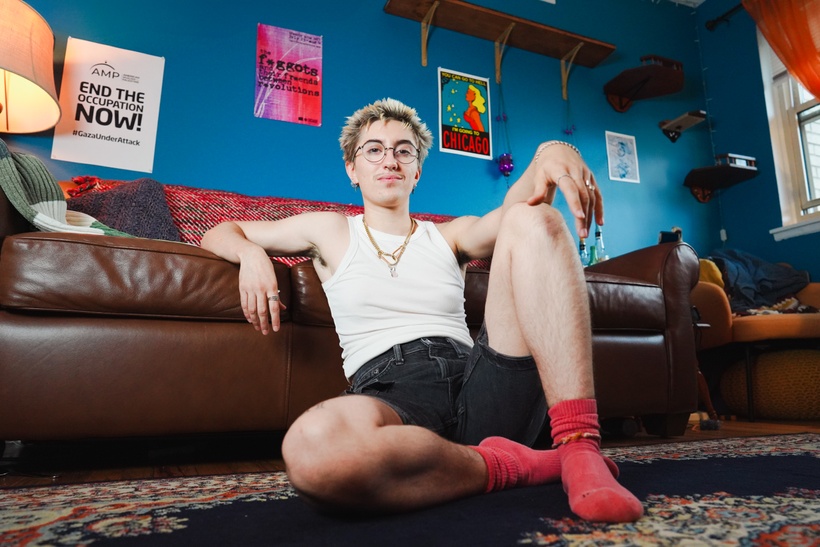
4. Have there been aspects of your masculinity that you’ve felt compelled to unlearn?

There have been times when I felt like I had to perform a certain way to be validated in my masculinity of course. But this was strongest before I grew into my Butch identity and weakest when I felt misunderstood by partners and loved ones who did not think of the Butch identity positively. These lesser moments are when I felt the greatest desire to prove myself in some way, which usually ended with me not being the person that I wanted to be and not being the person that people in my life needed me to be.

Development of my Butchness and the confidence that followed made the need to constantly prove something disappear more and more, until I was able to begin to unlearn patterns in my relationships that often left me, and other people hurt. Of course, I say begin, because a process like this takes a long time.

In the months before meeting my current partner, I ended all my flings and situation-ships en masse and dedicated myself to seeking out community that cared for me as more than some imaginary masculine ideal in a made-up masc shortage.

This I initially found in a queer soccer team that has built itself into a haven for queer people of all backgrounds, often seeking first the camaraderie, and second the ball-kicking. The months that followed led me to my partner, and to lessons about myself I had been running from for a long time because I was too scared to face them alone.
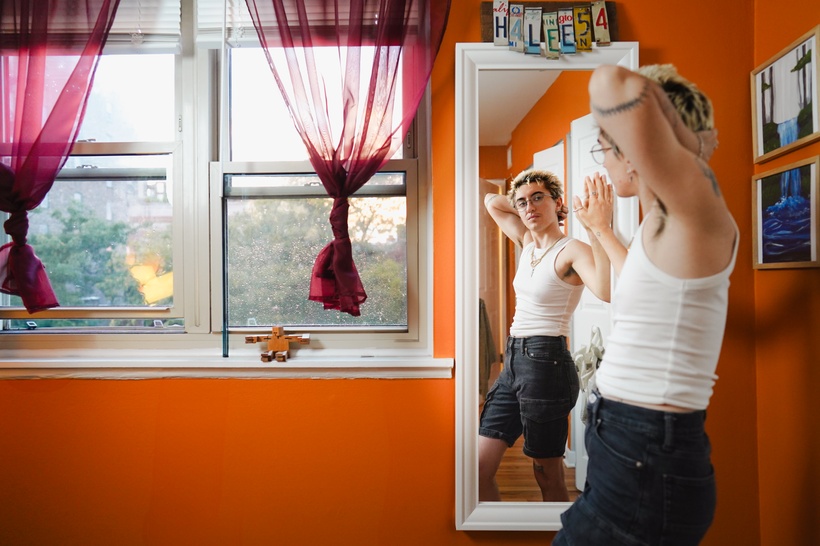
5. What is the most unforgettable or impactful memory from your dating life?

There’s a lot I can say about my relationships and their impact on my understanding of self. My newly discovered lesbian identity in junior high was immediately built on a cracked foundation, as my first relationship with a woman in high school ended in me filing a protective order and winding up in year-long PTSD treatment. Relationships after this ebbed and flowed from sweet but inconsequential, to exciting but downright dangerous. This made finding the time and support to explore my masculine identity nearly impossible. Although I have always been the more masculine one in all my relationships, I do not believe that many people saw me for who I truly was until my current relationship. Of course, it was only a few months before I met my now-girlfriend that I really owned my Butch identity. This occurred the spring before, when I met a Butch for Butch couple, both on or having been on testosterone, and I was able to have these discussions with someone for the first time. My newly cemented identity was there, but someone who saw and desired it for what it was, was not.

In what ways do you express or embody masculinity that differ from social expectations?

I am in a Butch-Femme relationship. It has done incredible things in helping me gain confidence in my identity and my love for Butchness.

I love to take care of my Femme, and she takes care of me. And yes, I do build her furniture and open the car door for her and buy her dresses, but this is not done as a result of some desire to feel like The Man or in control, it is done as a dedication to her and us and the love that queer people have sought out and been denied time and time again.

She is capable of anything, and she does more for me than anyone has before. We aren’t mimicking heterosexual love; we are both defying societal expectations because we do these actions without expectations of the other at all. It all shapes who I am and who we are. The way I express my Butchness and masculinity and the way I care for my Femme is not impacted by societal expectations, but it certainly impacts them.

What is one belief or assumption you held in the past that turned out to be wrong?

I think when I was younger, I was constrained by a limited mindset when it came to identity. I did not have the language or historical context to understand vast lesbian identities, and likely would have never pictured myself going on testosterone and still identifying as a lesbian. In fact, at my coming out age and the few years that followed, I may have even felt like I was lying to myself.

It is so easy to be the judge of how others identify and express themselves when you feel like your own identity is so cut and dry. Once I started to expand on my own expression, and especially when HRT was quickly approaching the table, all that judgement of others seemed absolutely pointless. I knew I was about to begin something that many people would never understand, likely not even my younger self. If I knew the risk I was taking with my identity, and that it only mattered what I thought of my own, then why would I participate in the policing of anyone else’s? It changed so much for me, physically and emotionally.

I hope that if I were ever face-to-face with my younger self, I could explain this to her. She was scared, and she did not understand others and herself. She fought tooth and nail to get to where she is now, and I have to believe that above it all, we would be so proud of each other.
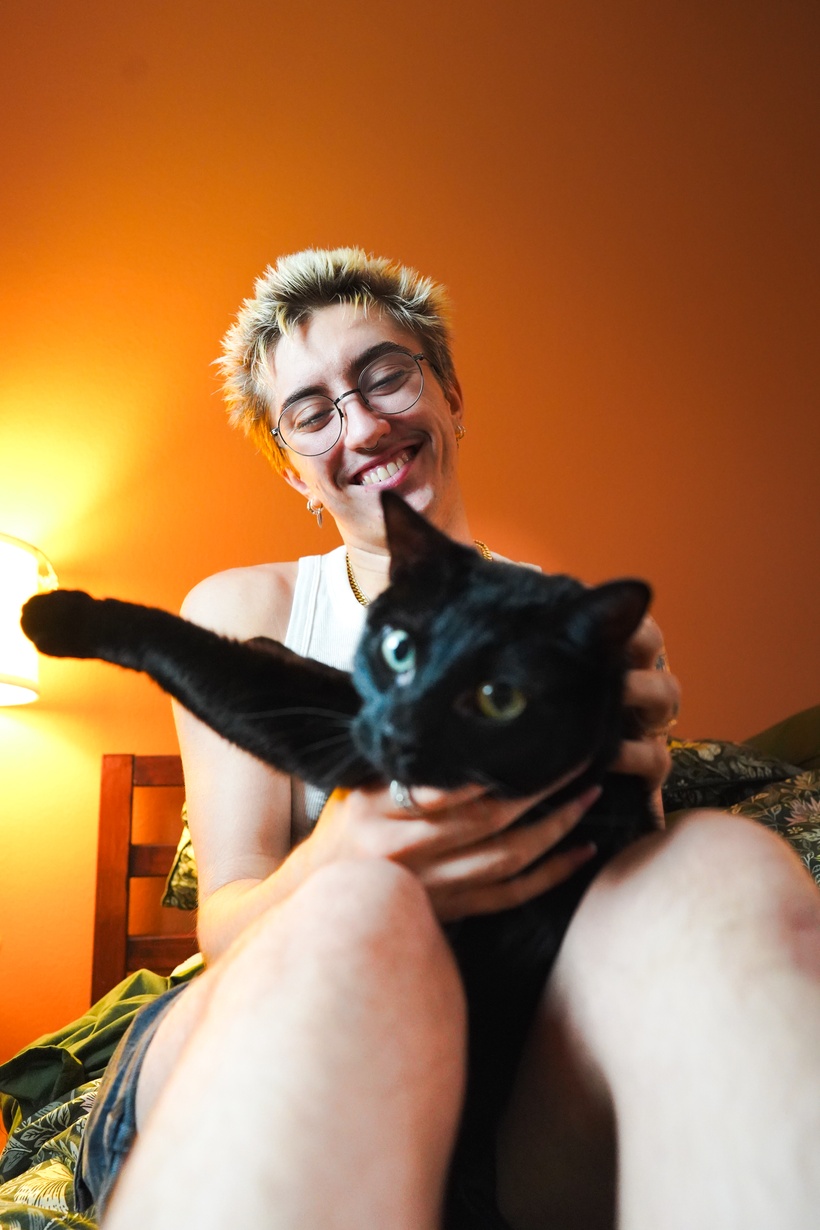
 

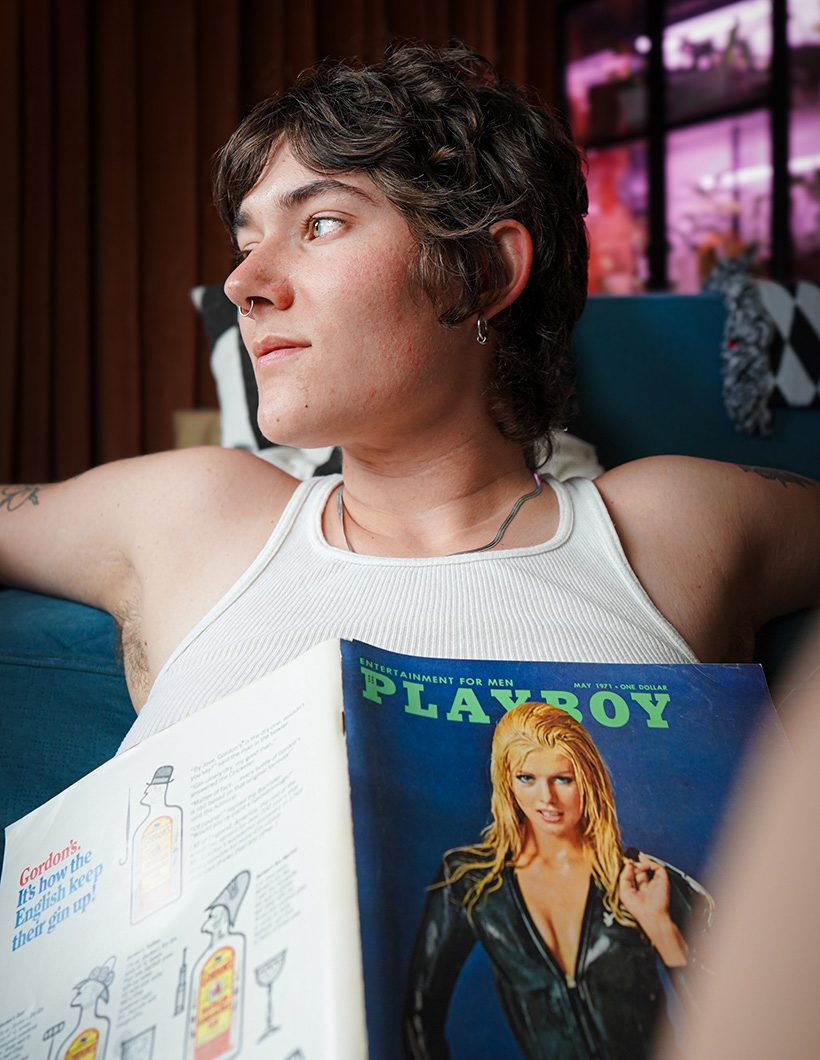
Butch Whispers: Sage Wilson

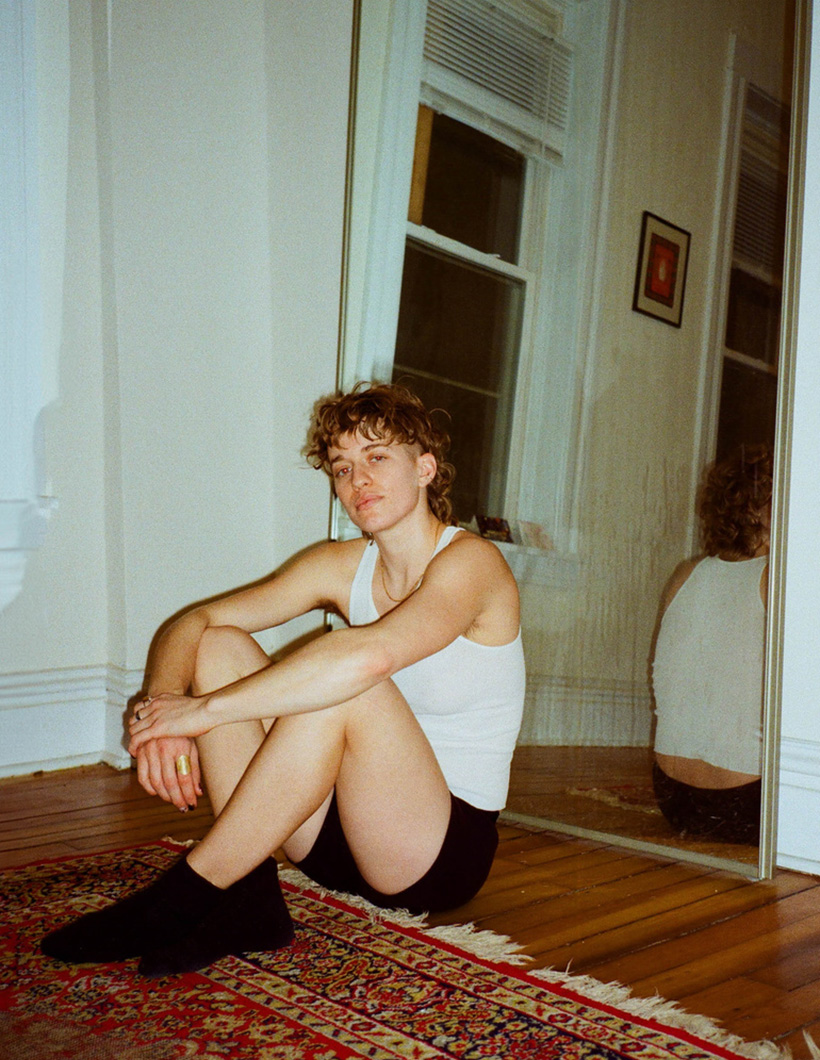
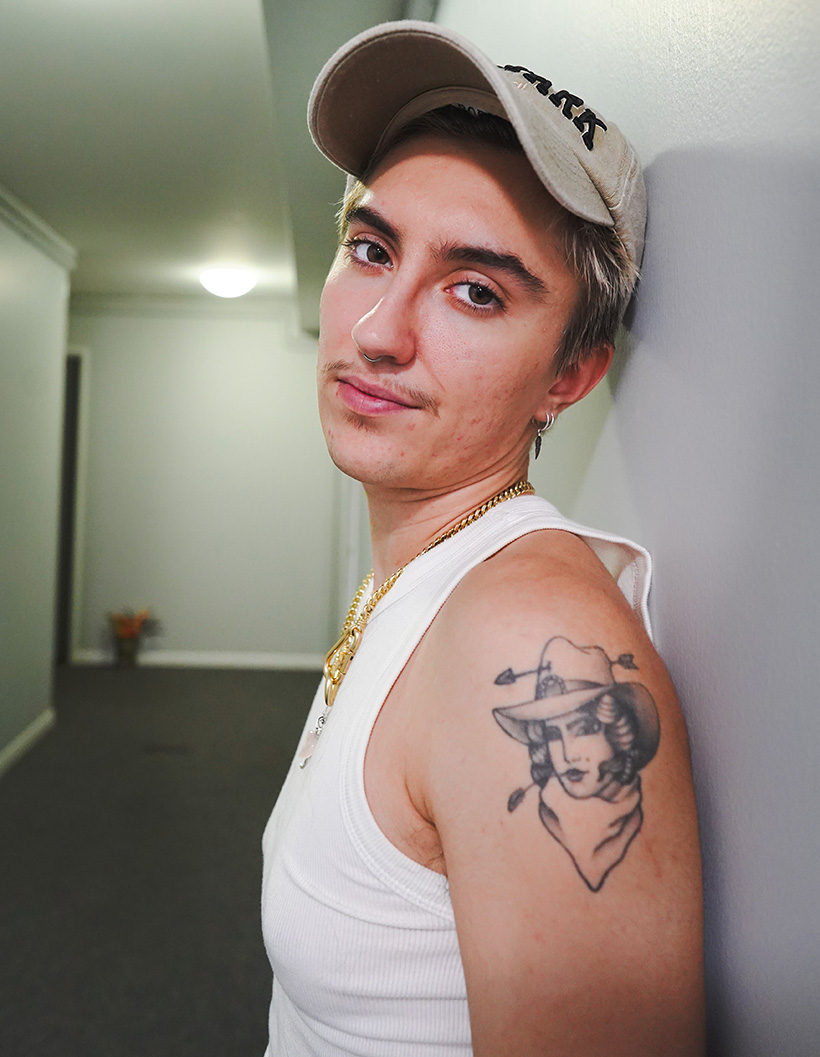
I’m originally from California, but I’ve lived in Melbourne for the past 6 years. I’ve spent that time working in the coffee industry. It’s a passion as well as a career, I’m a massive nerd about it! For now, I’m business development manager for a coffee company.

1. What is your favorite or funniest memory from your dating life?

This one is pretty good. I was hooking up with a baby queer, and she was really going to town on me. I was having fun, but the pace was pretty hectic. As she was going, she looked up at me and belted, “what I lack in experience, I make up in enthusiasm!” Right as she said it, her finger slipped out of me and she punched me right in the clit.

Now, we’re married…

Just kidding, I never saw her again.

Suffice to say, I was pretty much ready for bed after that. I hobbled her to the door and that was that.

2. Tell us about a time that being butch positively impacted your life.

When I was a little kid, I wanted to be a boy. At five, I announced to my family I’d like to be called “Carlos” of all names. I still think it’s funny! I chose it off one of the kids I saw on Barney who I thought was so cool. I convinced my mom to take me to the barber and get my hair cut short. The hairdresser gave me a bob. I hated it and demanded my mom take me to get a real boys cut. I settled on a handsome little bowl cut. I loved it. I felt so affirmed. My parents were actually pretty good sports about it. It was the 90’s and I think they were quietly freaking out, but they let me do it. I lived like this for years! It was the most affirmed period of my entire childhood.

The flutter in my heart when people thought I was a boy was incredible, I still remember it. Eventually, I caved to puberty and trying to fit in, and started dressing like a girl. It always felt like cosplay to me.

I had to have my moment where I realised I wasn’t a girl, I was non-binary. Being a little boy as a kid was the only other option, but as an adult, I was really at home in a place outside the lines. I created that space for myself, and I think Carlos would have lost their little minds if they could just see me now. Being butch was the dream, and I’m loving it.

3. What has been the best thing that you’ve been wrong about in your life?

I used to be so afraid of sex. There was real trauma there, but I also didn’t think anybody would ever find my gender identity attractive, because I didn’t. There were layers and layers of internalized shame. I felt I wasn’t living up to the expectations of sex appeal I saw around me. I didn’t have anybody sexy and masc presenting I could look up to that could reset that standard I had learned. I thought I’d never understand what people enjoyed about sex, how people could be so comfortable in their bodies, and that it all wasn’t for me.

I had to do a lot of work to learn to love my body. I had to reach a point where I stopped acting out what other people expected of me, and started doing what made me feel sexy and handsome. I got into men’s fashion, and I’d spend hours putting on music that made me feel hot, and dressing up in my room, and dancing. Putting fits together helped me feel handsome from a deep place, I didn’t need anybody’s opinion to validate it. I knew I looked good and I could carry that around with me everywhere. It changed my life, and it changed how I felt when I didn’t have any clothes on as well.

I’m so glad I feel confident now, that I was wrong about never believing I could feel at home in my body. I love sex, and I love being nude. It all came from using my body as a canvas for fashion.

4. What’s your spiritual understanding of masculinity?

I think the institution of cis-men have painted a picture of masculinity as being hard and tough and rugged. I actually think of it a lot softer than that. In my vision, masculinity is like a huge old tree. It’s grounded and peaceful, and it’s strong, but it’s also flexible. It adapts to weather and seasons, yet it always knows what it is. It’s not afraid, or reactionary. It protects those who wish to take shelter, but it’s not possessive, one is free to come and go as they please. There’s a quiet wisdom in masculinity that doesn’t need to be explained. It should feel safe. I think being butch is so much more of this type of masculinity than I ever really see in the mainstream.

5. Has there been a memory, moment or time in your life where being butch made your experience particularly difficult?

Going back to where I’m from in California is hard. There’s not a lot of queer people, and very few butch folks in my home town at all. Gender neutral toilets? Not a chance. As I’ve embraced my butchness more and more, I find it harder to return to where I’m from. I don’t feel safe, I don’t feel seen. It might not be an outward homophobia, but it still feels hostile. Coming out to my core family as non-binary was fine, they’re all wonderful. My extended family doesn’t all understand. I have little cousins ask if I’m a boy or a girl. I have uncles who refuse to acknowledge my name or pronouns. Does it hurt? I learned to not let people’s opinions of my lifestyle sink under my skin. I definitely get anxiety about using gendered toilets, I’ve had so many experiences with “gender-police” trying to tell me where to go.

“Do I look like an idiot to you? Because you’re treating me like I look like an idiot.”

It’s still tough, working with all sorts of people for my job. I wear a pronoun badge often but I don’t usually get gendered properly. I’m not the type to keep correcting people, I’m too laid back. I just let it go and find my validation from within. I’d love to continue to shimmy further away from the binary, but at the end of the day, I still feel like most people see things a bit too black and white for me.

It’s hard because I love where I’m from in a lot of ways, I just don’t think I want to go back to that being the norm though. I have searched all over the world for my queer community, where I don’t have to think twice about what I present as.

6. Are there parts of your inherit masculinity you’ve ever felt like you had to work to unlearn?
Being stoic and not talking about my feelings when they come up has been a huge hurdle to unlearn, and something I think society teaches boys and men to consider masculine.

I absolutely think I used to look at masculinity as being “fine” with everything and not letting my emotions come to the surface. I didn’t think it was ok to not be ok. It’s such a damaging way to live for myself and the people closest to me, I see so many men suffer through this too.

I’ve had to learn to be brave, to confront feelings and let them breathe and trust that I’m safe to speak about them. It’s practice, it’s really hard work. The toughest thing in the world for me is to be able to articulate complicated emotions without intellectualizing them OR letting them get out of control and spin me out. Learning it’s ok to not be ok has changed everything in the way I see myself and my masculinity.

@sage__x__

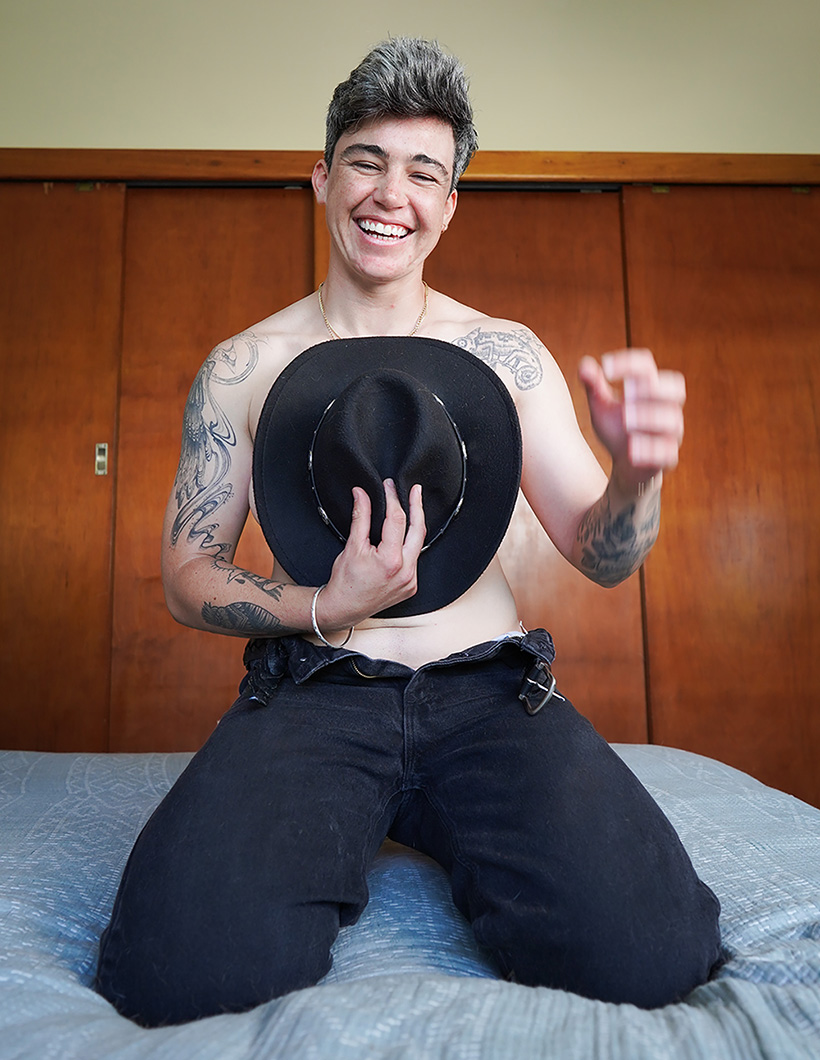
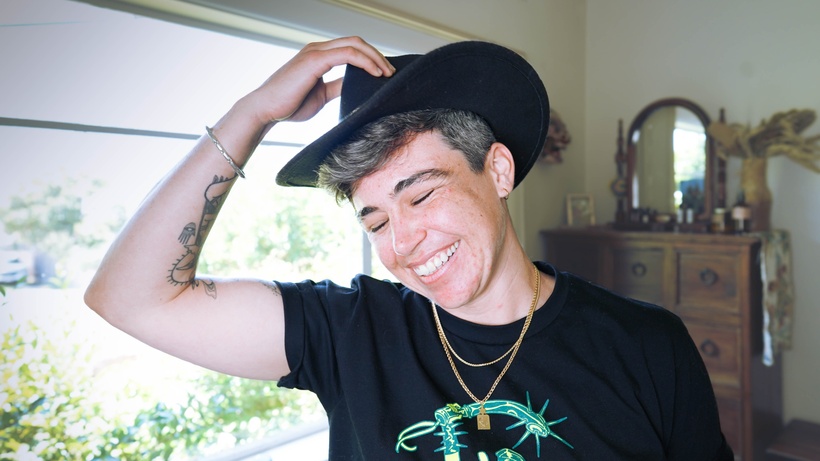
Butch whispers: Jeds McCreath

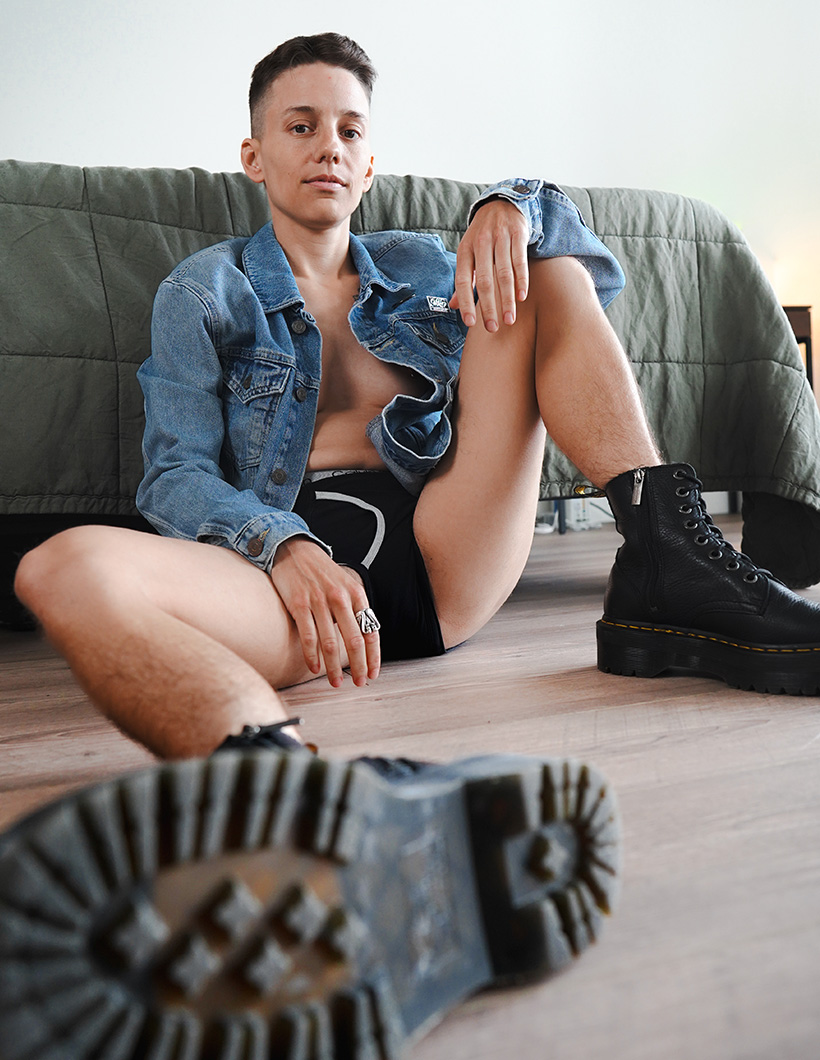
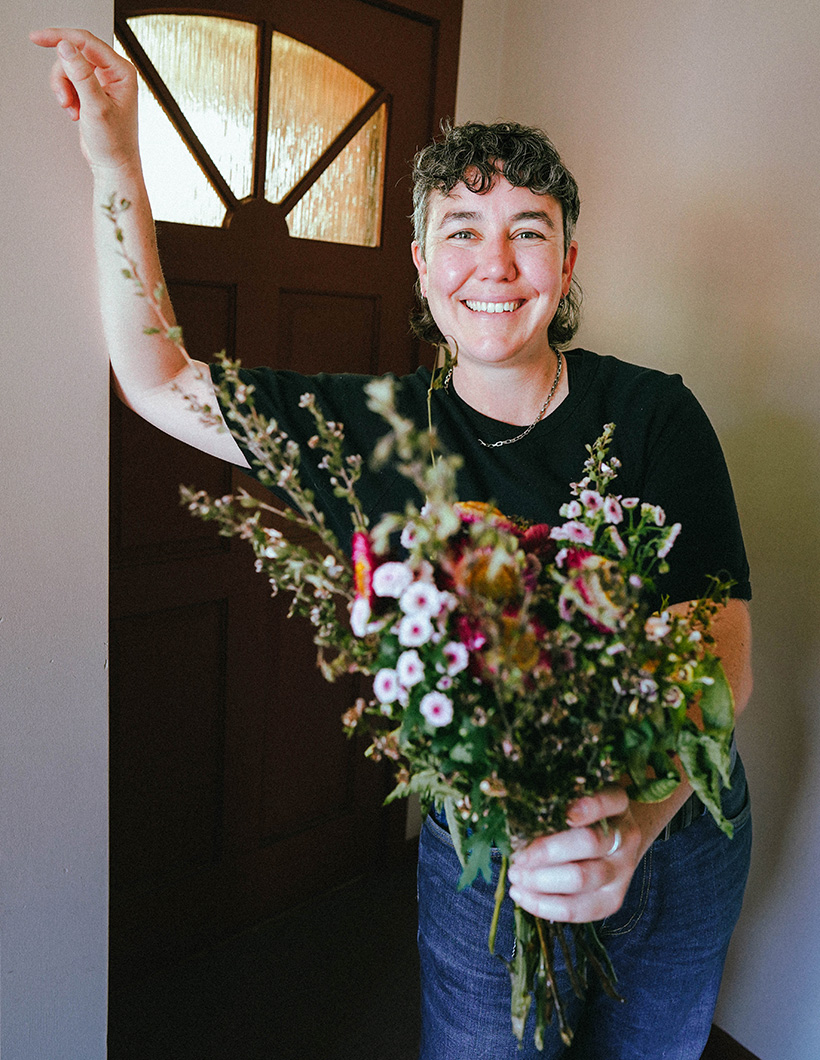
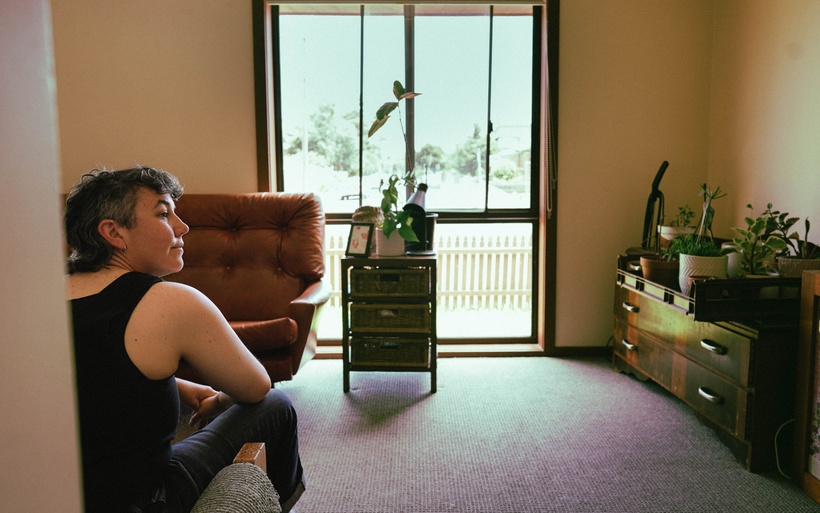
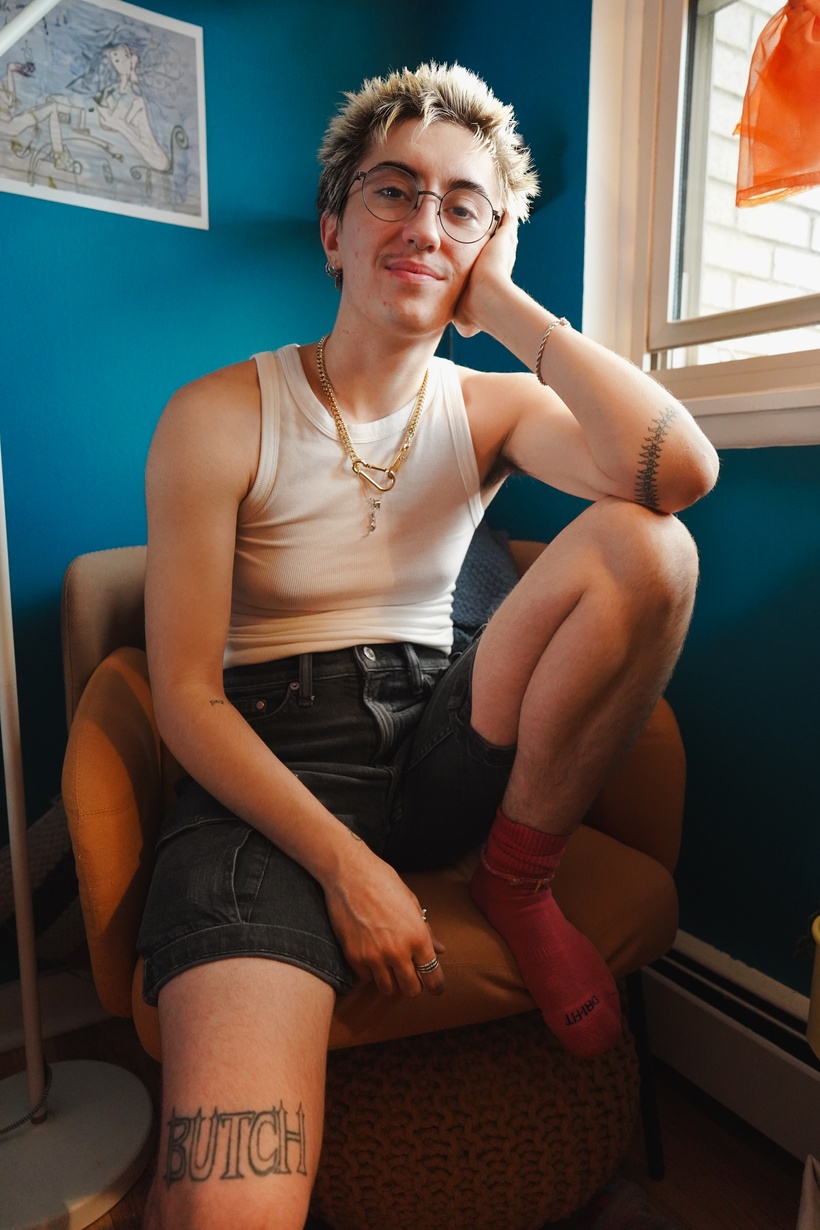
I live and work in Naarm/Melbourne (Australia). I moved here about 12 years ago, because I grew up in a predominantly white, cis-het area , and as soon as I could leave, I did. There was no-one like me there. I did not see myself in anyone there. I never experienced the life changing, affirming butch nod that I now occasionally get on the streets of Melbourne or day trips to the country.

I am a social mentor and disability support worker for queers. I am so deeply passionate and connected to the work I do.

What is your favorite or funniest memory from your dating life?

I once ended things with someone because they told me they hated Tegan and Sara, and that they were both faking being gay. Also, In my baby dyke days I was in a throuple, and when it broke up, I started dating the couple’s best friend, which turned into one of my longest, loving and fulfilling relationships, who is now my ex but my best friend in this world. Classic dyke behavior.

Tell us about a time that being butch positively impacted your life.

Being butch positively impacts my life every day. Being butch is my favorite thing about myself, something I’m proud of and brings me joy. This identity spills out into every facet of my life and that’s something I feel is deeply positive. Its a constant in my life that I feel vehemently connected to and proud of, as well as my queerness and transness. Something that I embody, embrace, love, care for, treat well and scream at the top of my lungs on rooftops for. Being butch positively impacts my life in so many ways, mainly because it brings this confidence, I never thought existed in me or was possible for someone like me, it brings me the ability to be soft but tough, the ability to be my complete self- something I have always been afraid of, and to exist outside of what society expects of me.

What is something about your butch identity you feel like no one understands?

Butch is not just an aesthetic, although it is as well. Butch is a whole way of being, a beautifully layered identity that goes far beyond flannel and jeans (although that come’s with it too). It’s the energy and it is who I am and it is something that has always been with me. Something I feel straight people don’t understand is, being a non binary butch absolutely does not equate to me being a man. My meaning and expression of masculinity is far more expansive.

What is something on your bucket list that makes you blush?

It has just been successfully ticked off, but being photographed for Butch Is Not A Dirty Word.

It has just been successfully ticked off, but being photographed for Butch Is Not A Dirty Word.

It has just been successfully ticked off, but being photographed for Butch Is Not A Dirty Word.

What’s something in your life that’s gone unfulfilled that you’re still searching for?

That sweet, sweet gender euphoria. I’m searching for it everyday, but I’m hoping this will be found next year when I have Top Surgery.

What has been the best thing that you’ve been wrong about in your life?

That being vulnerable does not make you weak. That you’re not weak and there is no shame in accepting help and support. I used to believe this. I’ve come along way, and still have a long way to go, but talking about your feelings and emotions is hot!

How do you feel like you embody masculinity differently from what is expected of you?

I love being able to rewrite what masculinity means and to be able to wear it proudly without it having to fit in a small rigid box.  Being able to embody masculinity in a way that is not toxic, unhealthy or tragic, which were the only ways it was represented and shown to me growing up, which was harmful. Masculinity and butchness defies societal norms and expectations.

What’s the most difficult thing about being Butch?

I think the most difficult things about being butch is the misconceptions and assumed roles expected of butches and not being seen as multi dimensional people. That walking down the street being visibly butch can open you up to a lot of misunderstanding of you and your identity, discrimination and some very strange invasive questions

Are there parts of your inherit masculinity you’ve ever felt like you had to work to unlearn?

If I believed what was fed to me about masculinity I wouldn’t be able to truly be me; I couldn’t be tough but soft, stern but gentle, fearful but courageous, independent but affectionate, shielded but vulnerable. It has been a long road and its been hard without good, healthy representation and role models, which should now be better for the baby butches.

@jeds.mccreath