A Butch By Any Other Name
“Research tells me that the term Butch was adopted in the 1940s by working class masculine lesbians to identify their placement within the patriarchal mama-papa or femme-butch relationships. While the term bull dagger or bull dyke was used as far back as the 1920s in Harlem’s Black lesbian scene.”
It was a Saturday night when my wife asked me what the difference was between a stud and a butch. I stared at her, as I usually do when I can’t find words to answer questions she’s asked me, until she got annoyed. This time was different, though. This time, I was stuck because I knew the answer! Of course, I knew the answer… but did I really know the answer?
Could I be bold enough to answer that sort of a question generally, even in the privacy of my own home? Could I not give that question the thought and the grace it deserves instead of rushing to a snap decision that my bourbon of the evening and I came up with? No, I couldn’t do that. I couldn’t rush to claim to know what it meant to those who came before me. Those who grew into and honed the terms and identities, we claim for ourselves, the Butches, the Studs, the AGs, the Dykes, Bull daggers, the Aggressives, Tops—these people carved out niche spaces for themselves and each space and each story deserves to be honored, separately. It makes me wonder though, is a Butch by any other name still just as strong; still just as stoic; still just as protective? I asked around, I wanted to do some research that involved living breathing people within the community and outside of it. I must admit I was dead on in my thought process about one common thread, about one thing I knew everyone would say. I didn’t want to think it was so, because I fear our identifiers could become divisive. But as one friend reminded me, the entire gay scene is divisive. Lipstick lesbian, feminine lesbian, stud, butch, tops, bottoms, trans are all terms used to identify us individually but are also a means to separate us!
The most glaring difference between a butch and a stud is cultural. As a young gay I didn’t hear the term Butch used unless it was in reference to a white masculine lesbian.
In the early 2000s in Brooklyn white masculine lesbians just weren’t in my orbit. When I thought Butch, I immediately equated it to Shane from The L Word. In my world I understood masculine lesbians to be AGs short for Aggressives which would later grow into the term Studs. This identifier was only given to masculine lesbians of color.
Research tells me that the term Butch was adopted in the 1940s by working class masculine lesbians to identify their placement within the patriarchal mama-papa or femme-butch relationships. While the term bull dagger or bull dyke was used as far back as the 1920s in Harlem’s Black lesbian scene.
Somehow, I can imagine Moms Mabley putting her teeth in, getting suited and booted after a show in Harlem, surrounded by beautiful women calling herself the baddest bull dyke in the building and I am here for it!
I strongly believe that feminine women are mirrors for many masculine presenting people, so it was important to me to get their insight. As I mentioned, a common theme was cultural differences, but then things took a bit of a turn. One of the women I questioned mentioned that when she thinks of a stud she thinks of a taller, attractive, athletically built lesbian. However, when she thinks of a butch she thinks of an attractive, shorter, curvier lesbian.
I wasn’t expecting that. In fact, I told her I thought she was calling me out a little bit.
Another woman said she thought studs embraced their femininity more than Butches do. The justification being Butches tend to lean more into the “boycut” and rely more on boxier clothes to cement their aesthetic. Whereas Studs rock fades, locs, straight hair, braids, etc. Studs in many cases are more into their appearance, they tend to be flashier or have a controlled level of cool about them. This cool is defined as a more mainstream/pop culture sort of cool. Some of these feminine women reported that they see Butch women as women who aren’t really into their appearance so much as they’re into their masculinity and their dominance. They tend to be more traditional in their approach to women and become a more patriarchal figurehead.
The memories I have of my 20s tell me I wanted to be as far away from the term Butch as I could be. Only because of what I thought that term represented. The stereotypes the word evoked in my psyche meant that I could never be one of “those” lesbians. I was ignorant and prejudiced. I didn’t want to be the definition of a masculine lesbian I’d made up in my head. This definition was made up of fictional tv characters, weird James Dean comparisons, cultural biases, immaturity and up to that point in my life never having met another masculine lesbian who didn’t look just like me.
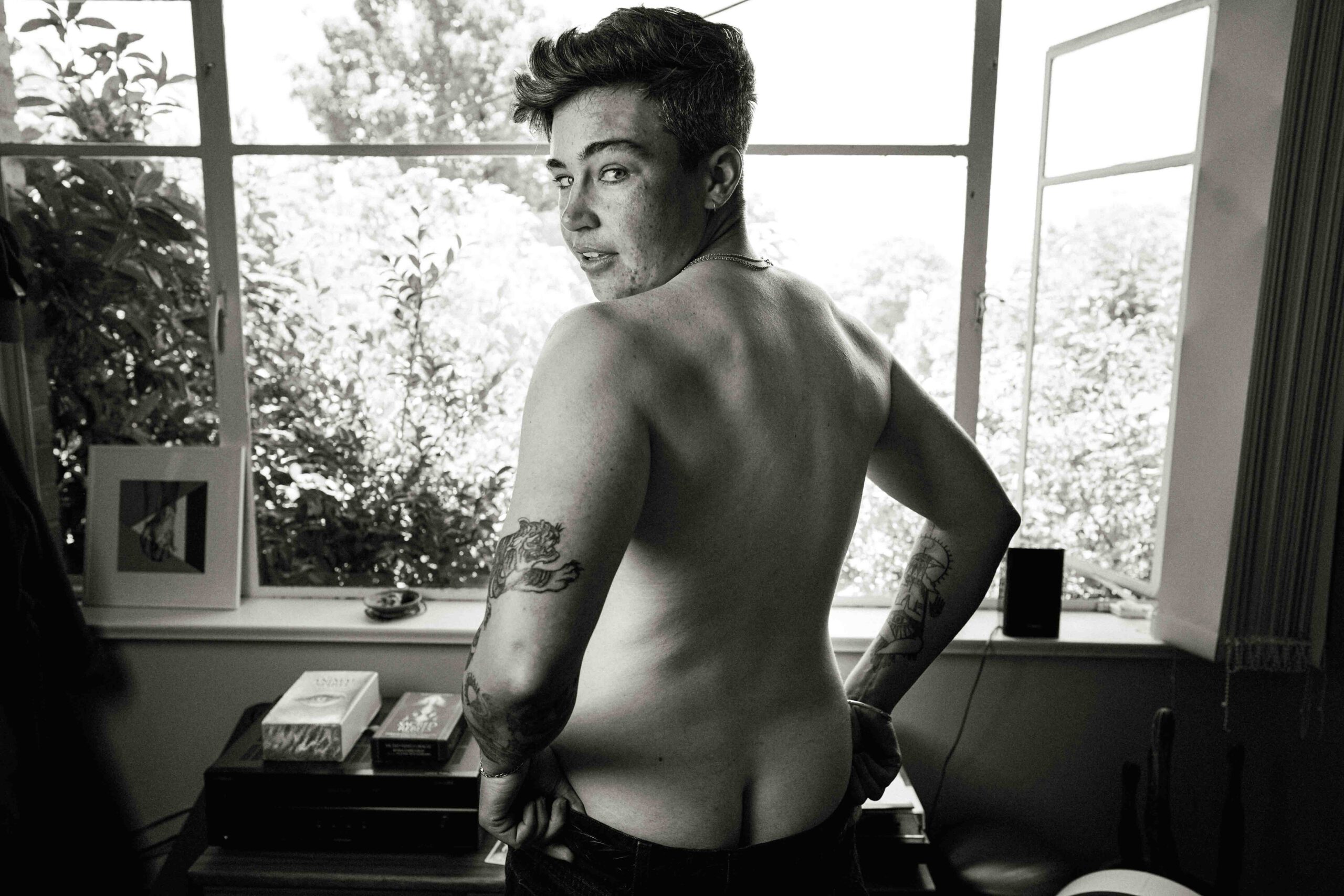
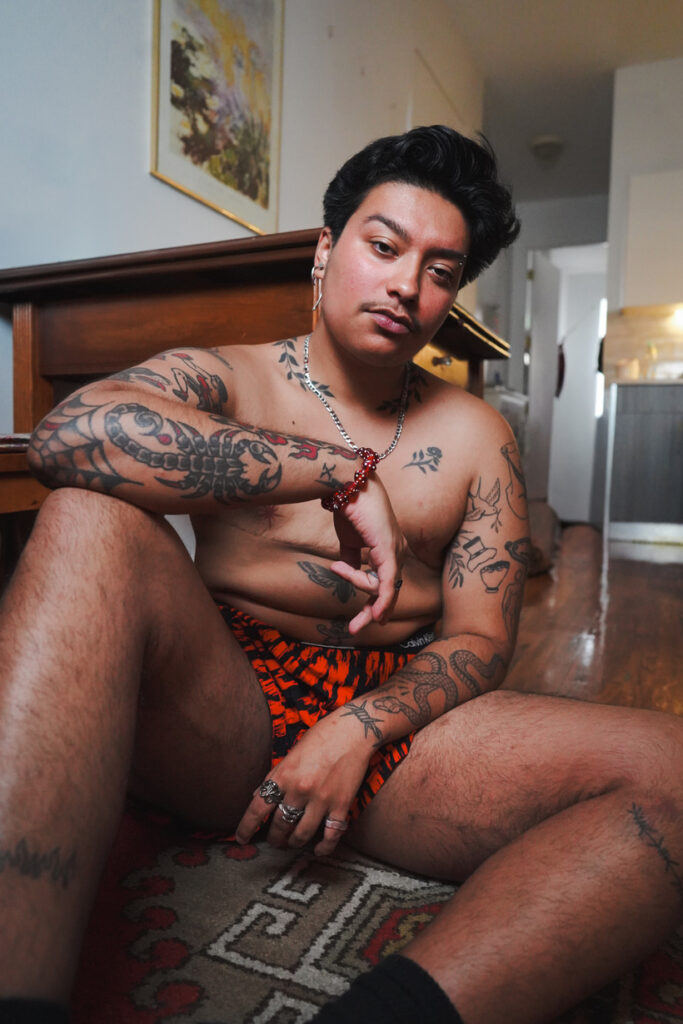
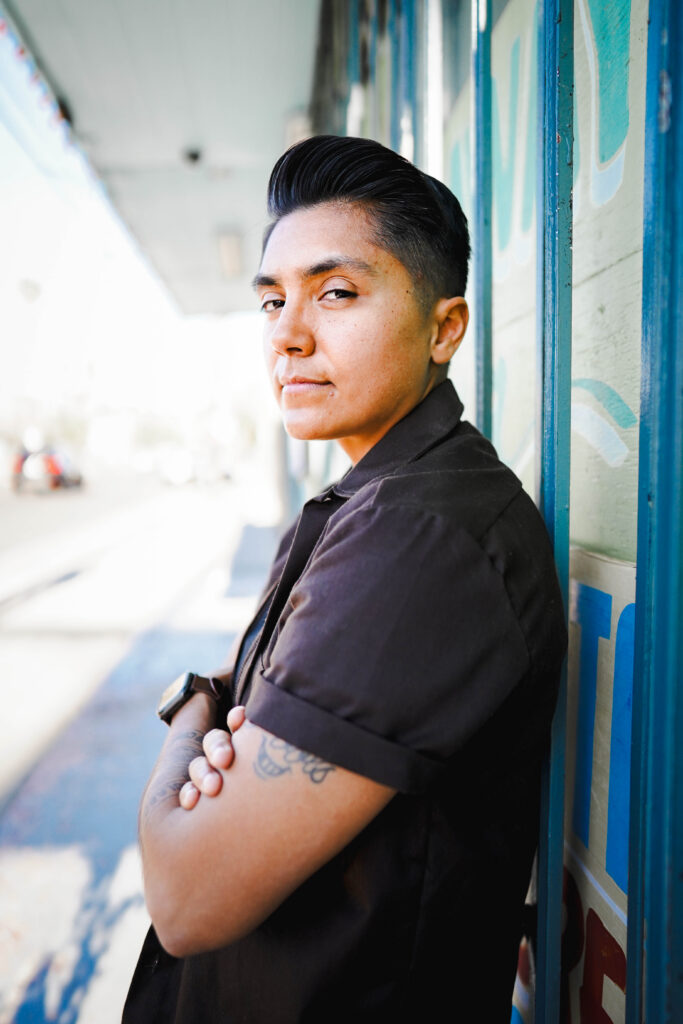
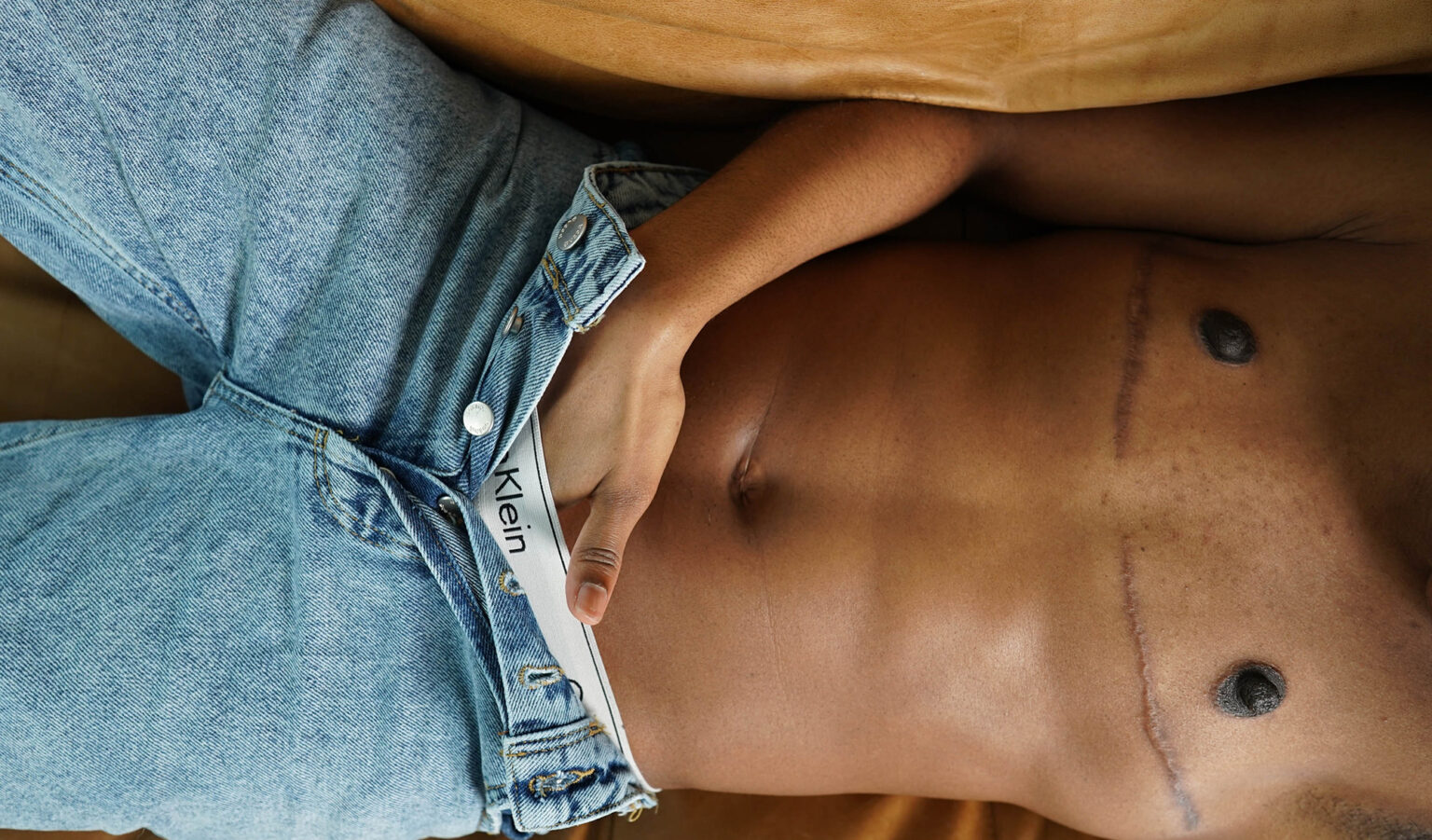
Social media can be the pits of hell, but there are also corners tucked away where you can get to know genuine people and you stumble upon communities of folks who have 1-2 things in common with you. You come across Meg Allen and an entire installation of portraits dedicated to celebrating the differences of masculine presenting women and you fall down a rabbit hole where buzz words stick out, buzz words like BUTCH, DIRTY, WORD. Sometimes those buzzwords introduce you to essays of people who feel things just the way you do; folks who love women, the same way you do; folks who are just trying to find their place in the world, the same way you are. And you start to wonder, what’s in a name?
These titles that we’ve given ourselves; that we’ve steeped our identities in, are just that—titles. They are adjectives that can be coupled with other descriptors: handsome, kind, loving, brave, strong, masculine, queer, lesbian, non-binary. We’ve reclaimed these titles that have been used throughout history to downgrade and other us, and we’ve cloaked ourselves in them and worn them with pride. We’ve allowed these words to evolve over time and become something positive.
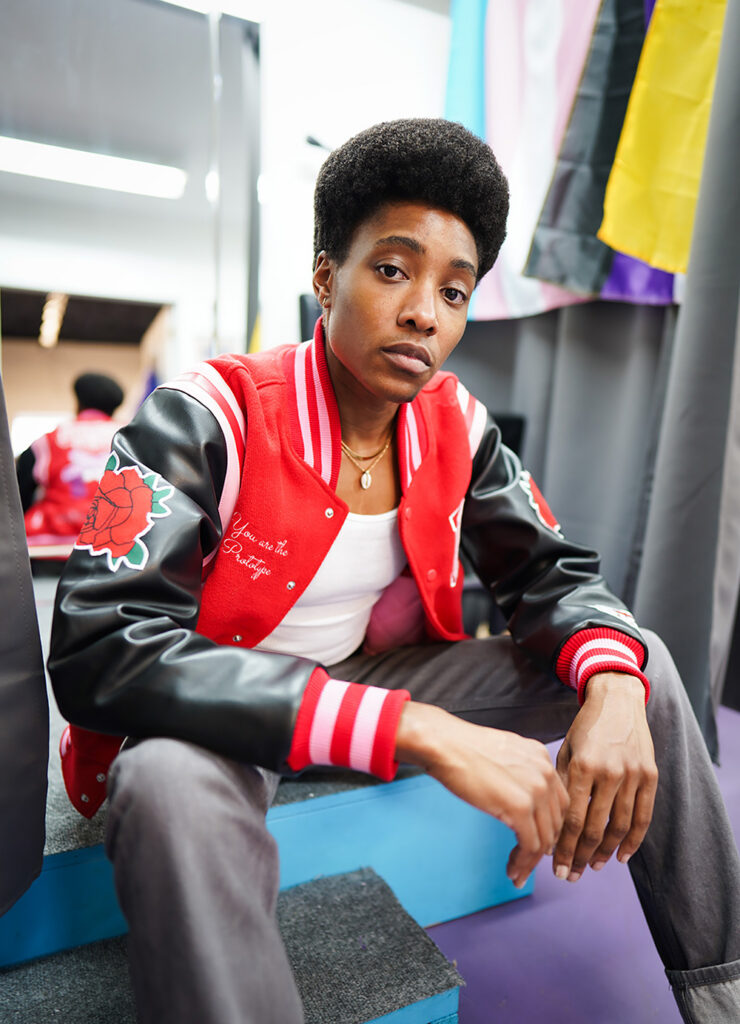
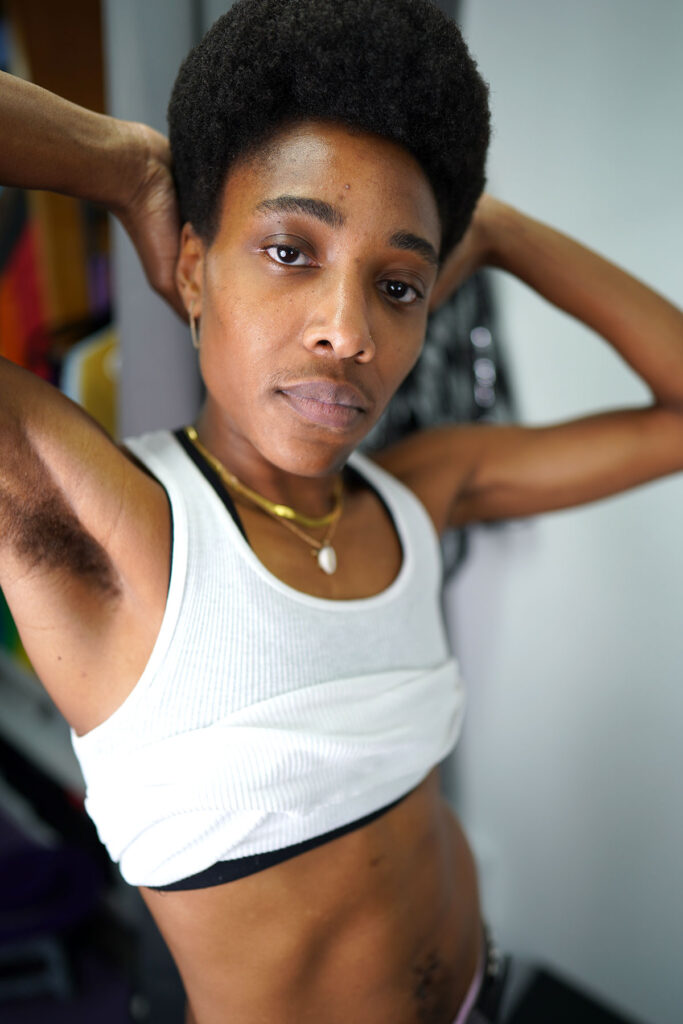
Whether we be traditional in our style of dress, the way we cut our hair, the vibes we give off, the gait of our walk, the company we keep, we are a community of masculine presenting lesbians. We are easily identifiable by the attributes that make us so desirable.
So, what’s the answer? What’s the difference between a Stud and a Butch? I don’t know, I think those are just two different ways to spell, (Queer and/or) Lesbian.
It was a Saturday night when my wife asked me what the difference was between a stud and a butch. I stared at her, as I usually do when I can’t find words to answer questions she’s asked me, until she got annoyed. This time was different, though. This time, I was stuck because I knew the answer! Of course, I knew the answer… but did I really know the answer?
Could I be bold enough to answer that sort of a question generally, even in the privacy of my own home? Could I not give that question the thought and the grace it deserves instead of rushing to a snap decision that my bourbon of the evening and I came up with? No, I couldn’t do that. I couldn’t rush to claim to know what it meant to those who came before me. Those who grew into and honed the terms and identities, we claim for ourselves, the Butches, the Studs, the AGs, the Dykes, Bull daggers, the Aggressives, Tops—these people carved out niche spaces for themselves and each space and each story deserves to be honored, separately. It makes me wonder though, is a Butch by any other name still just as strong; still just as stoic; still just as protective? I asked around, I wanted to do some research that involved living breathing people within the community and outside of it. I must admit I was dead on in my thought process about one common thread, about one thing I knew everyone would say. I didn’t want to think it was so, because I fear our identifiers could become divisive. But as one friend reminded me, the entire gay scene is divisive. Lipstick lesbian, feminine lesbian, stud, butch, tops, bottoms, trans are all terms used to identify us individually but are also a means to separate us!
The most glaring difference between a butch and a stud is cultural. As a young gay I didn’t hear the term Butch used unless it was in reference to a white masculine lesbian.
In the early 2000s in Brooklyn white masculine lesbians just weren’t in my orbit. When I thought Butch, I immediately equated it to Shane from The L Word. In my world I understood masculine lesbians to be AGs short for Aggressives which would later grow into the term Studs. This identifier was only given to masculine lesbians of color.
Research tells me that the term Butch was adopted in the 1940s by working class masculine lesbians to identify their placement within the patriarchal mama-papa or femme-butch relationships. While the term bull dagger or bull dyke was used as far back as the 1920s in Harlem’s Black lesbian scene.
Somehow, I can imagine Moms Mabley putting her teeth in, getting suited and booted after a show in Harlem, surrounded by beautiful women calling herself the baddest bull dyke in the building and I am here for it!
I strongly believe that feminine women are mirrors for many masculine presenting people, so it was important to me to get their insight. As I mentioned, a common theme was cultural differences, but then things took a bit of a turn. One of the women I questioned mentioned that when she thinks of a stud she thinks of a taller, attractive, athletically built lesbian. However, when she thinks of a butch she thinks of an attractive, shorter, curvier lesbian.
I wasn’t expecting that. In fact, I told her I thought she was calling me out a little bit.
Another woman said she thought studs embraced their femininity more than Butches do. The justification being Butches tend to lean more into the “boycut” and rely more on boxier clothes to cement their aesthetic. Whereas Studs rock fades, locs, straight hair, braids, etc. Studs in many cases are more into their appearance, they tend to be flashier or have a controlled level of cool about them. This cool is defined as a more mainstream/pop culture sort of cool. Some of these feminine women reported that they see Butch women as women who aren’t really into their appearance so much as they’re into their masculinity and their dominance. They tend to be more traditional in their approach to women and become a more patriarchal figurehead.
The memories I have of my 20s tell me I wanted to be as far away from the term Butch as I could be. Only because of what I thought that term represented. The stereotypes the word evoked in my psyche meant that I could never be one of “those” lesbians. I was ignorant and prejudiced. I didn’t want to be the definition of a masculine lesbian I’d made up in my head. This definition was made up of fictional tv characters, weird James Dean comparisons, cultural biases, immaturity and up to that point in my life never having met another masculine lesbian who didn’t look just like me.
Social media can be the pits of hell, but there are also corners tucked away where you can get to know genuine people and you stumble upon communities of folks who have 1-2 things in common with you. You come across Meg Allen and an entire installation of portraits dedicated to celebrating the differences of masculine presenting women and you fall down a rabbit hole where buzz words stick out, buzz words like BUTCH, DIRTY, WORD. Sometimes those buzzwords introduce you to essays of people who feel things just the way you do; folks who love women, the same way you do; folks who are just trying to find their place in the world, the same way you are. And you start to wonder, what’s in a name?
These titles that we’ve given ourselves; that we’ve steeped our identities in, are just that—titles. They are adjectives that can be coupled with other descriptors: handsome, kind, loving, brave, strong, masculine, queer, lesbian, non-binary. We’ve reclaimed these titles that have been used throughout history to downgrade and other us, and we’ve cloaked ourselves in them and worn them with pride. We’ve allowed these words to evolve over time and become something positive.
Whether we be traditional in our style of dress, the way we cut our hair, the vibes we give off, the gait of our walk, the company we keep, we are a community of masculine presenting lesbians. We are easily identifiable by the attributes that make us so desirable.
So, what’s the answer? What’s the difference between a Stud and a Butch? I don’t know, I think those are just two different ways to spell, (Queer and/or) Lesbian.